10 Ways to Protect Your Privacy in Boudoir Photoshoot
What comes to mind when I mention the word “boudoir”? You want to schedule the photoshoot, yet you fear the pictures being used against you. Let’s explore why boudoir shoots require special attention to data privacy.
You find yourself in a studio, scantily clad, in front of a stranger. These factors make boudoir unique and special. Yet, these aspects also turn the session into a sensitive project from a privacy standpoint. You don’t want the images to get out into the world. You definitely do not want the photographer to profit off of you without your permission.
I know the ins and outs of the boudoir industry. I have firsthand experience with the behind-the-scenes logistics of such projects. I know where these files go and how they get moved around. It is essential to discuss data privacy, alongside lighting and poses.
1. Unethical Photo-Sharing Practices
This situation occurs more frequently than one may think. Your shoot is over, you are happy with the results, yet your pictures appear on the photographer’s Instagram account. Without your permission. This may cause serious complications for your relationship with the photographer. As a result, you risk your intimacy being exposed.
Photographers typically use standard contracts containing model releases. The photographer reserves the right to use your picture to promote their services. In other words, you will never be compensated for “modeling” in the shoot. Thus, you need to pay particular attention to the terms of your contract.
It was a great experience to have a photoshoot with Joshy! He made me feel very comfortable from the very first moment and guided me through the positions with great patience and humour. I enjoyed the session a lot and the photos came out just perfect! Amanda’s friendly care and assistance was also super helpful. Thanks a million, Joshy!
2. Oversights When Outsource Retouching
This problem is overlooked, yet very real. Retouching photos consumes quite a lot of time. Therefore, many photographers outsource editing services to third parties. It saves some time for the studio. Yet, this action opens another gap for your files being misused.
Once you send your images to the retoucher located in another state or even country, your data goes out of your control. Will the retoucher treat these pictures with respect? Did you get a confidentiality agreement? Usually, these conditions cannot be guaranteed. You need to understand precisely how the photographer will handle your raw files.
We have so many very good pictures, I really don’t know how he does this, but I look always better on photo then in reality. That makes me comfortable and we’ll have more good ones to come. Joshy you’re doing a great job, You’re good as an artist, strong in technical side and amazing editor. Same time shooting is always exciting, I can trust you and this is the most important part for a model.
3. Insecure File Storing Practices
Your private images should be treated like a precious diary. Never put the files in an unencrypted cloud drive or unprotected hard disk. If the hard drive breaks or gets stolen, your photos are compromised. You should seek a photographer who uses encrypted hard disks and secure storage solutions.
Once, I visited a studio, and I saw a stack of external hard disks named “clients 2024.” They sat on an open desk in front of an open window. The photographer was not aware of such an issue since this information could not be retrieved until it happened. Therefore, always ensure that the storage solution is safe.
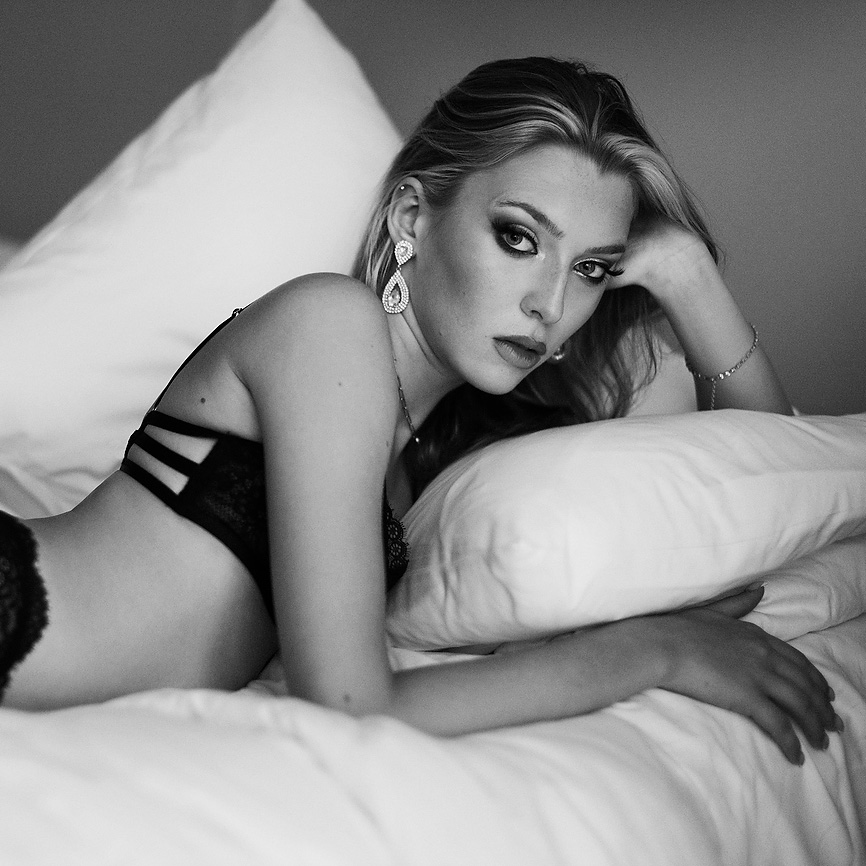
It took me a while to gather my courage and go ahead for a boudoir photoshoot, but Josh made it feel so natural and fun. He is truly a professional and an amazing artist. It was a great experience that I most certainly enjoyed and I might even repeat in the future. This is a must-do experience for any lady who desires tasteful master-class sensual photography.
4. Dangerous Contract Terms
Contracts are lengthy documents filled with many technical details. Clients usually skip the terms of the agreement, and the photographer counts on it. For example, a photographer might say they will never upload your pictures onto the web. Yet, the model release included in the contract may contradict such claims.
Therefore, you need to read the contract carefully. Strike out or rewrite any provisions allowing your images to be shared without your explicit consent. You control how your pictures are being used. This is a crucial point you should negotiate carefully.
5. Interview the Photographer Before Scheduling a Shoot
Interview the photographer as if you are hiring them. Ask them all sorts of questions concerning data privacy. Find out if they will ensure the safety of the images. For example, will the files be saved on an external hard drive with a password? Who will do the retouching and will the process be done in house? Get the answers in writing stating that your photos won’t be shared with anyone without your explicit written approval.
The photographer should not get irritated by such questions. On the contrary, he/she should give you detailed and confident answers. The silence on the other side of the phone or a lack of clarity in responses means the person in front of you is unprofessional and unreliable.
6. Negotiate the Contract Terms Wisely
Do not use a default contract template. Negotiate every aspect of the document until it satisfies your needs. Firstly, remove the model release from your contract. You reserve the exclusive rights to determine the usage of your photo. You may write something along the lines, “the use of the image is limited to personal viewing purposes only.” Moreover, specify the name of the particular photo you allow the photographer to use for promotion. Mention that it cannot be resold and that the permission to share can be withdrawn anytime. Finally, add the date of permission expiration.
7. Request for Signing a Non-Disclosure Agreement
A non-disclosure agreement is a standard document used in any business transaction requiring strict confidentiality. It guarantees that none of the parties participating in the session will discuss the photoshoot with others and that no copies of your pictures will be distributed. Otherwise, the agreement implies penalties for the offending party.
There is no need to feel awkward asking for such a contract. It is the most reliable way to make sure your intimate pictures are protected. A professional photographer will not refuse to sign the NDA. It indicates his/her unwillingness to compromise your privacy.
8. Control Image Delivery
After the photoshoot, you will get the photographs via the Internet. Ask the photographer to provide a password-protected gallery. Don’t use unsecured links which can be easily shared with others. After downloading the images, ask for a written confirmation that your gallery will be removed from the photographer’s device. No need to leave these files in storage unnecessarily. It is better to delete all of the pictures from your photographer’s system completely.
9. Why Does the Camera Collect Metadata?
Most people know little about the technical aspect of photography. However, every photo contains a lot of useful information in addition to the picture itself. A professional photographer knows how to protect your images from becoming vulnerable. Firstly, all the pictures need to be stripped from metadata. Metadata is additional information that describes the image.
Every photo includes the camera model used to take the picture, the time of photo-taking, and sometimes geographical coordinates. This information should be erased before your file is uploaded to a computer. The photographer needs to guarantee that he/she will strip all of this information off the files.
10. Is It Worth Doing Everything to Protect Yourself?
The entire discussion may sound discouraging. Are these efforts necessary? Indeed, yes, they are. Because the final result is well worth it. You will receive an image that will change your attitude towards yourself and your body. You will learn how to appreciate yourself.
Of course, this is not easy. The experience requires certain courage and readiness to reveal yourself in front of a stranger. However, once you overcome this fear and get the results, they will help you grow as a person and learn more about yourself.
One of my clients was extremely shy. She was afraid of having her pictures posted on Instagram. Only when I assured her that I will take care of her privacy, she felt free enough to express herself through the shoot.
I’m in love with Joshy and his work. I’m in love with myself on pictures he made. His photos show not only beautiful faces of different people, but open their nature and soul. Joshy, you are more than professional photographer, you are greatest person. Thank you so much for everything!
Conclusion
It might seem that preparing for a boudoir session is overwhelming. Yet, the benefits outweigh the effort. Take the required precautions to ensure your data privacy. You can find a perfect photographer for you if you try hard enough.
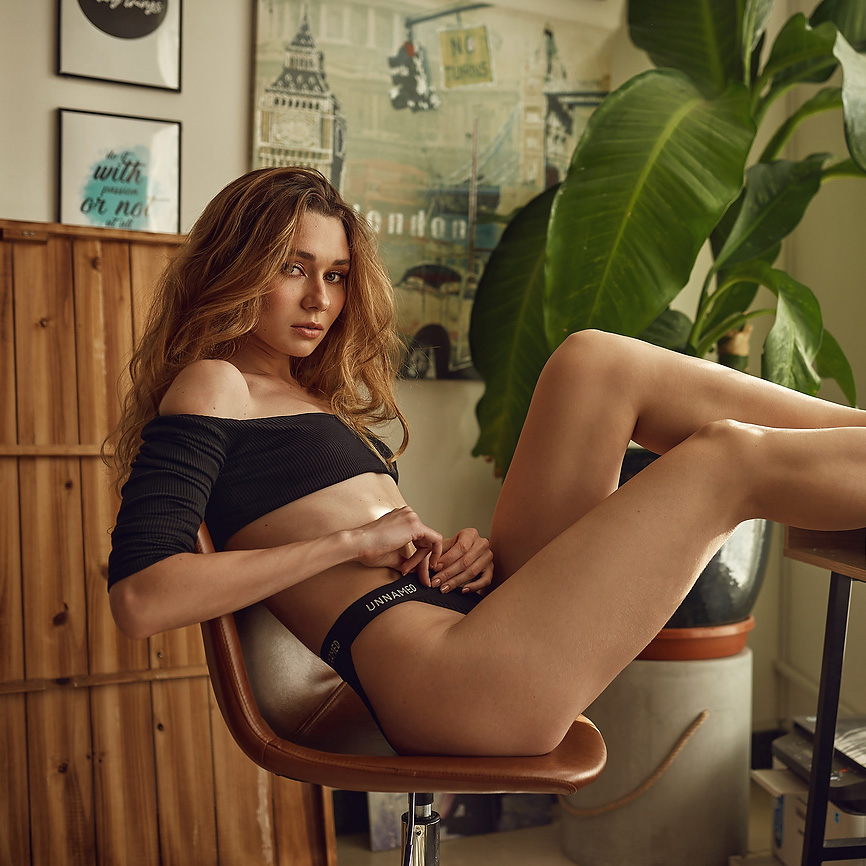
Contact us to check out the options available to you. We will make sure that you feel comfortable and at home in our studio.
What are the main risks of outsourcing retouching in boudoir photography?
Outsourcing retouching can expose your private images to third parties without confidentiality agreements. Once your files are sent to an external editor—potentially in another state or country—you lose control over who sees them. To ensure data privacy, it is crucial to ask your photographer if editing is done in-house and to verify that no unauthorized parties have access to your raw files.
How can metadata compromise my privacy during a photoshoot?
Metadata is hidden data embedded in every digital photo, containing details like the camera model, exact time the photo was taken, and sometimes even GPS coordinates. If a photographer fails to strip this information before sharing or storing files, your location and personal details could be exposed. A professional photographer should guarantee that all metadata is removed from your files to protect your anonymity.
Should I request a Non-Disclosure Agreement (NDA) for my boudoir session?
Absolutely. An NDA is a powerful legal tool that ensures strict confidentiality for your intimate images. It legally binds the photographer and their team from discussing the shoot or distributing images without your consent. Requesting an NDA is a standard professional practice that reputable photographers will accept without hesitation to guarantee your peace of mind.
What should I do if I feel too nervous to go through with the shoot?
It is completely normal to feel anxious before a boudoir session, but there are effective ways to manage these feelings. Preparing mentally and choosing a photographer who prioritizes your comfort can turn nerves into excitement. You can find more guidance on handling pre-shoot jitters in our article on how to calm your nerves before a boudoir shoot.
Can choosing specific outfits help me feel less exposed?
Yes, your wardrobe choices play a significant role in your comfort level. Boudoir is about celebrating yourself, and you can choose outfits that make you feel empowered rather than exposed. Whether you prefer lace, silk, or layered looks, finding the right style can boost your confidence. For inspiration, explore these boudoir photoshoot and outfit ideas to find looks that align with your comfort zone.
How much should I budget for a photographer who prioritizes privacy?
Photographers who invest in secure storage, encrypted drives, and in-house editing often charge rates that reflect this level of professional care. While it might be tempting to look for cheaper options, data security is an investment in your safety. Understanding the factors that influence pricing can help you make an informed decision; you can learn more about costs in our guide on how much to spend on a boudoir photographer.
Will the photographer make me feel comfortable during the session?
A professional photographer should prioritize your comfort from the very first moment. Clients like Tatiana have noted that a good photographer will guide you through poses with patience and humor, ensuring you feel at ease. Reading testimonials can give you insight into the experience; for example, Maha mentioned that her photographer “made it feel so natural and fun,” helping her overcome her initial shyness.
What is the benefit of choosing an all-women studio for boudoir?
All-women studios often provide an added layer of comfort and confidentiality for clients concerned about privacy. These studios are specifically designed to minimize breaches and create a safe space where you can express yourself without fear of intrusion or mishandling of data. This environment allows you to focus entirely on the experience, knowing that your boundaries are understood and respected.
Can boudoir photography really help improve my self-image?
Yes, boudoir photography is a powerful tool for self-acceptance. Many women find that seeing themselves through a professional lens helps them appreciate their bodies and boosts their confidence. It allows you to document who you are right now without filters, creating lasting memories that celebrate your unique beauty.
How does Josh handle the technical side of photography to ensure I look my best?
Josh focuses on mastering lighting and angles to ensure you look your best in every shot. Clients often note that they look better in the photos than they imagined, attributing this to his technical skill and artistic direction. He works closely with you to direct poses and capture your essence, ensuring that the final images are both flattering and professional.
Related: Post Shoots
 5 Benefits of Boudoir Photography
 How to Prepare for Your Boudoir Shoot Like a Boss?
 The History of Boudoir Photography
 Best Items to Pack for Your Boudoir Photoshoot
 Reasons for Women to Do a Boudoir Session
 Boudoir Photoshoot and Outfit Ideas to Ignite Passion
 10 Misconceptions About Boudoir Photography You Should Forget
 5 Stunning Locations to Capture Your Boudoir Shoot